







Why Passengers Fall Asleep In Cars, Matatus D…




































































































Why Passengers Fall Asleep In Cars, Matatus During Traffic Jams
Whether it is a long commute or a short drive through rush hour, many people find themselves unexpectedly dozing off as passengers.


Whether it is after a long, gruelling day at work or during a lengthy trip, as passengers, we have experienced falling asleep in a car or, in a Kenyan case, a matatu…more than once, especially during heavy traffic.
Ever wondered why passengers fall asleep in cars during traffic? Whether it is a long commute or a short drive through rush hour, many people find themselves unexpectedly dozing off as passengers.


While drivers have to stay alert, passengers often fight—or surrender to—sleep. Here’s a comprehensive breakdown of the scientific, psychological, and environmental reasons behind sleepiness during car rides, especially in traffic.
1. Monotonous Driving Environment Causes Mental Fatigue
One of the biggest contributors to passenger drowsiness in traffic is the monotonous environment.
In slow-moving traffic, surroundings don’t change much, and passengers aren’t engaged in any active tasks. This repetitive, unstimulating setting leads to mental fatigue, lowering alertness and encouraging the brain to shift toward a relaxed, semi-sleep state.

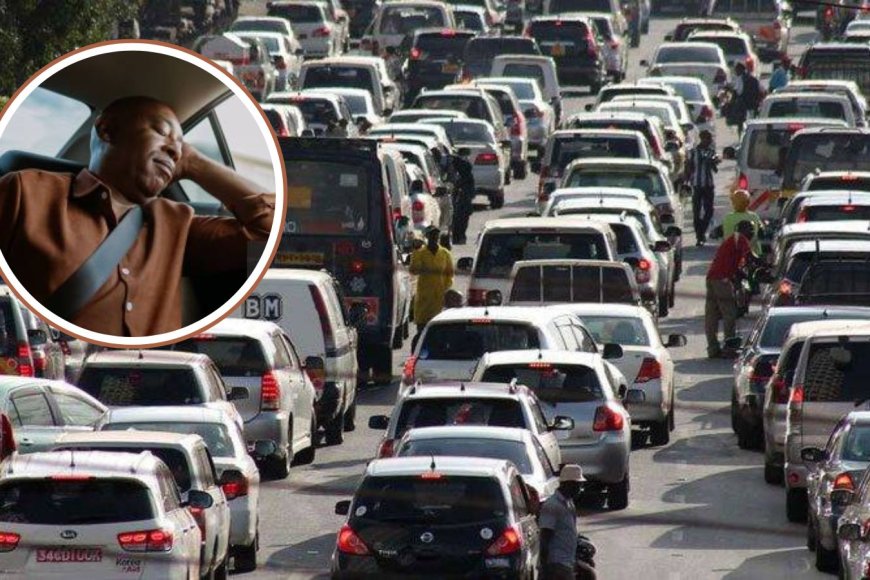
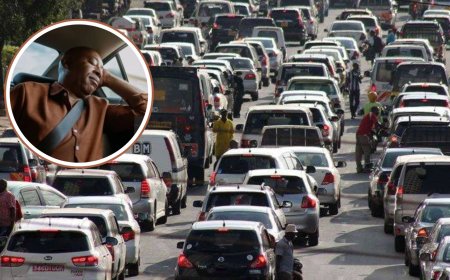
A photo of vehicles and matatus in Nairobi. /EARTH.ORG
Unlike drivers who need to stay focused, passengers are passive observers. This mental inactivity is a direct pathway to sleep, especially during prolonged traffic jams.
2. Gentle Car Movements Act Like a Rocking Cradle
The gentle, rhythmic movements of a vehicle in traffic play a surprising role in why people sleep in cars during traffic jams. As the car starts, stops, and sways slightly, it triggers what’s called vestibular stimulation—the same calming sensation as being rocked to sleep.
Scientific studies show that slow, repetitive motion helps humans (just like babies) fall asleep faster. The stop-and-go motion of heavy traffic provides ideal conditions for this type of subconscious relaxation.
3. Engine Noise Creates Sleep-Inducing White Noise
Many people don’t realise that the constant hum of the engine, combined with distant city sounds, acts as natural white noise. This consistent background sound helps drown out sudden noises that might otherwise keep passengers awake.
For passengers, this engine hum becomes a soothing audio environment that promotes relaxation, which explains why car rides make passengers sleepy, even amidst urban chaos.
4. Warm Car Interiors Promote Physical Drowsiness
Temperature and air quality inside the vehicle significantly affect passenger alertness. Cars stuck in traffic often become warm and stuffy.
Poor ventilation, combined with trapped heat, leads to reduced oxygen circulation, both known triggers for sleepiness during car rides.
Warmth encourages the body’s parasympathetic nervous system, responsible for rest and digestion, to activate. This naturally slows down heart rate and breathing, creating the perfect physiological environment for sleep.
5. Psychological Link Between Car Rides and Sleep
For many people, sleeping in cars is a conditioned behaviour. Think about childhood car rides where you often fell asleep in the back seat. Over time, your brain links being a passenger with napping—a form of classical conditioning.
Now, even as an adult, being a car passenger cues your body to relax and sleep. This psychological association helps explain why even short trips can make people feel sleepy.
6. Sleep Debt Makes Passengers More Likely to Nap
In today’s busy world, many people operate on less sleep than needed. When passengers enter a car—especially during a long, slow ride through traffic—their bodies see it as a chance to recover from sleep debt.
Sleep-deprived passengers often experience microsleeps—brief, involuntary episodes of sleep. In the slow pace of traffic, these microsleeps can easily extend into full naps, as nothing is demanding their attention.
7. Lack of Mental Engagement While Riding
Unlike drivers, who stay mentally engaged with road conditions and other vehicles, passengers often find themselves mentally idle. With no tasks to focus on, their brains switch to energy-saving mode, which naturally leads toward sleep.
This explains why passengers fall asleep easily during traffic: they aren’t mentally stimulated enough to stay awake.
8. Feeling Safe Encourages Rest
Finally, emotional safety plays a big role in why people fall asleep as passengers. Being in a car, especially when driven by someone trusted, creates a subconscious sense of security. This signals the brain that it’s safe to relax and sleep.
Since sleep typically occurs in environments perceived as safe, the car cabin itself becomes a sleep-friendly space, even amidst honking horns and urban noise.
How to Stay Awake as a Passenger in Traffic
If you’re someone who often dozes off during traffic but needs to stay awake, here are practical tips:
-
Open a window for fresh air to counter poor ventilation.
-
Listen to energetic or stimulating music.
-
Engage in conversation with the driver or other passengers.
-
Stay hydrated to avoid sluggishness.
-
Use your phone or read to stay mentally active.
Conclusion: Sleep in Traffic Is Completely Normal
Falling asleep as a passenger in cars during traffic is not strange—it’s a natural response based on physical, psychological, and environmental factors.
From the gentle rocking motion and soothing engine hum to warm temperatures and mental disengagement, every element of a traffic jam works together to lull passengers to sleep.
Next time you catch yourself—or a fellow passenger—napping during a traffic jam, remember: it’s your body and brain responding exactly as they were designed to.

Two people sleeping in a car with sleeping bags. /TRAVEL DUDES
Whether it is a long commute or a short drive through rush hour, many people find themselves unexpectedly dozing off as passengers.
0
Whether it is after a long, gruelling day at work or during a lengthy trip, as passengers, we have experienced falling asleep in a car or, in a Kenyan case, a matatu…more than once, especially during heavy traffic.
Ever wondered why passengers fall asleep in cars during traffic? Whether it is a long commute or a short drive through rush hour, many people find themselves unexpectedly dozing off as passengers.
While drivers have to stay alert, passengers often fight—or surrender to—sleep. Here’s a comprehensive breakdown of the scientific, psychological, and environmental reasons behind sleepiness during car rides, especially in traffic.
1. Monotonous Driving Environment Causes Mental Fatigue
One of the biggest contributors to passenger drowsiness in traffic is the monotonous environment.
In slow-moving traffic, surroundings don’t change much, and passengers aren’t engaged in any active tasks. This repetitive, unstimulating setting leads to mental fatigue, lowering alertness and encouraging the brain to shift toward a relaxed, semi-sleep state.
A photo of vehicles and matatus in Nairobi. /EARTH.ORG
Unlike drivers who need to stay focused, passengers are passive observers. This mental inactivity is a direct pathway to sleep, especially during prolonged traffic jams.
2. Gentle Car Movements Act Like a Rocking Cradle
The gentle, rhythmic movements of a vehicle in traffic play a surprising role in why people sleep in cars during traffic jams. As the car starts, stops, and sways slightly, it triggers what’s called vestibular stimulation—the same calming sensation as being rocked to sleep.
Scientific studies show that slow, repetitive motion helps humans (just like babies) fall asleep faster. The stop-and-go motion of heavy traffic provides ideal conditions for this type of subconscious relaxation.
3. Engine Noise Creates Sleep-Inducing White Noise
Many people don’t realise that the constant hum of the engine, combined with distant city sounds, acts as natural white noise. This consistent background sound helps drown out sudden noises that might otherwise keep passengers awake.
For passengers, this engine hum becomes a soothing audio environment that promotes relaxation, which explains why car rides make passengers sleepy, even amidst urban chaos.
4. Warm Car Interiors Promote Physical Drowsiness
Temperature and air quality inside the vehicle significantly affect passenger alertness. Cars stuck in traffic often become warm and stuffy.
Poor ventilation, combined with trapped heat, leads to reduced oxygen circulation, both known triggers for sleepiness during car rides.
Warmth encourages the body’s parasympathetic nervous system, responsible for rest and digestion, to activate. This naturally slows down heart rate and breathing, creating the perfect physiological environment for sleep.
5. Psychological Link Between Car Rides and Sleep
For many people, sleeping in cars is a conditioned behaviour. Think about childhood car rides where you often fell asleep in the back seat. Over time, your brain links being a passenger with napping—a form of classical conditioning.
Now, even as an adult, being a car passenger cues your body to relax and sleep. This psychological association helps explain why even short trips can make people feel sleepy.
6. Sleep Debt Makes Passengers More Likely to Nap
In today’s busy world, many people operate on less sleep than needed. When passengers enter a car—especially during a long, slow ride through traffic—their bodies see it as a chance to recover from sleep debt.
Sleep-deprived passengers often experience microsleeps—brief, involuntary episodes of sleep. In the slow pace of traffic, these microsleeps can easily extend into full naps, as nothing is demanding their attention.
7. Lack of Mental Engagement While Riding
Unlike drivers, who stay mentally engaged with road conditions and other vehicles, passengers often find themselves mentally idle. With no tasks to focus on, their brains switch to energy-saving mode, which naturally leads toward sleep.
This explains why passengers fall asleep easily during traffic: they aren’t mentally stimulated enough to stay awake.
8. Feeling Safe Encourages Rest
Finally, emotional safety plays a big role in why people fall asleep as passengers. Being in a car, especially when driven by someone trusted, creates a subconscious sense of security. This signals the brain that it’s safe to relax and sleep.
Since sleep typically occurs in environments perceived as safe, the car cabin itself becomes a sleep-friendly space, even amidst honking horns and urban noise.
How to Stay Awake as a Passenger in Traffic
If you’re someone who often dozes off during traffic but needs to stay awake, here are practical tips:
-
Open a window for fresh air to counter poor ventilation.
-
Listen to energetic or stimulating music.
-
Engage in conversation with the driver or other passengers.
-
Stay hydrated to avoid sluggishness.
-
Use your phone or read to stay mentally active.
Conclusion: Sleep in Traffic Is Completely Normal
Falling asleep as a passenger in cars during traffic is not strange—it’s a natural response based on physical, psychological, and environmental factors.
From the gentle rocking motion and soothing engine hum to warm temperatures and mental disengagement, every element of a traffic jam works together to lull passengers to sleep.
Next time you catch yourself—or a fellow passenger—napping during a traffic jam, remember: it’s your body and brain responding exactly as they were designed to.
Two people sleeping in a car with sleeping bags. /TRAVEL DUDES












Share this content: